
Rischa D'Araisa Season 2-Episode 13-Let's make this Yud Tes Kislev more about the Graz than the Baal HaTanya

Rabbi Yosef Gavriel Bechhofer הרב יוסף גבריאל בקהופר
Monday, November 30, 2020


Sunday, November 22, 2020
Rischa D'Araisa-Season 2-Episode 12-A Halachic Prescription for Celebrating the First Covid-19 Thanksgiving
Rischa D'Araisa-Season 2-Episode 12-A Halachic Prescription for Celebrating the First Covid-19 Thanksgiving
In anticipation of the Thanksgiving Holiday,Rabbi Kivelevitz recaps some of the salient Halachic opinions regarding the celebration of the day by prominent Poskim with Rabbi Bechhofer appending his own customs and approach.
Bechhofer cites Abraham Lincoln's 1863 proclamation as instructive to the religious nature of the day,while Kivelevitz believes the language and context of the directive has important lessons for recognizing God's care and grace especially after the last ten months of fear and death.
Saturday, November 21, 2020
A Tidbit About my Grandfather zt"l: When Sami Rohr Wanted to Sleep – Anash.org
When Sami Rohr Wanted to Sleep – Anash.org:
Op-Ed by Rabbi Zalmen Wishedski: The response of Rabbi Dov Yehuda Schochet to Sami Rohr's refusal to join a Torah shiur teaches us a lesson from this week's Parsha and how we must take advantage of every opportunity.
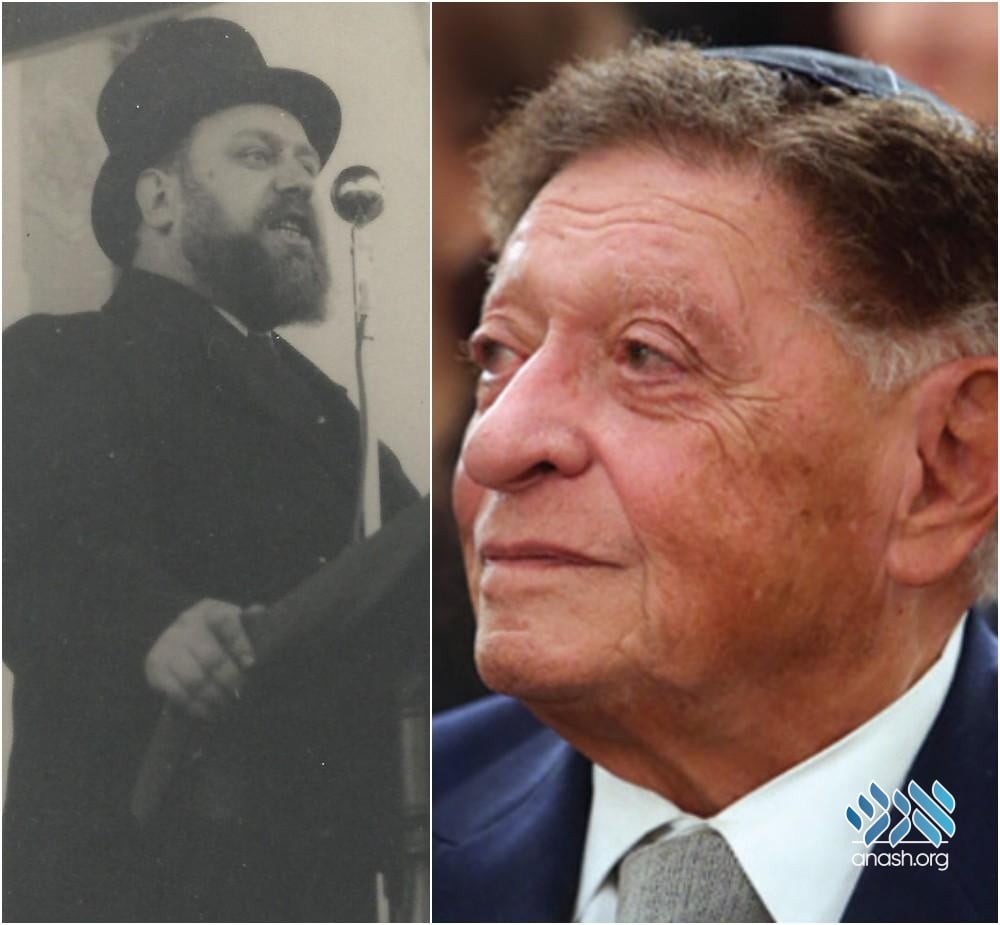
When Sami Rohr Wanted to Sleep
Op-Ed by Rabbi Zalmen Wishedski: The response of Rabbi Dov Yehuda Schochet to Sami Rohr’s refusal to join a Torah shiur teaches us a lesson from this week’s Parsha and how we must take advantage of every opportunity.
By Rabbi Zalmen Wishedski -Director of Chabad of Basel in Switzerland
R. Sami Rohr z”l once told me that when he was a refugee child in Basel during the Holocaust, Rabbi Dov Yehudah Schochet, who was then the rabbi of the charedi community in Basel, asked him to come to a class on Tehillim on Shabbat morning, before the services. “And it wasn’t a Chabad shul that started at 10:00 am; this meant coming at 7:00 am.”
Sami refused, saying to Rabbi Shochat: “I have one day a week to sleep, and you want me to come and learn?”
But then, the rabbi looked him in the eye and said: “You have one day in the week to learn, and you want to sleep?”
The rabbi won.
There is a passuk in this week’s parasha that carries so much meaning and gives us a direct message for our own lives, and it is not even one of the most popular psukim in the parasha.
It is not part of the story of the birth of Yaakov and Esav, nor does it tell of the fascinating relationship between them. It isn’t even part of the saga of the wells that Yitzchak dug. It is a passuk that comes after the story of the digging of the last well – Rechovot, as it was named. But, as mentioned, this passuk can teach us the way to live.
“For now Hashem has granted us room, and we can be fruitful in the land.” So said Yitzchak. At first glance it sounds like a sigh of relief: the quarrels are a thing of the past, Hashem has given us some room and now we can sit in peace and quiet for a bit. Yes, this is a commentary that many will accept happily, but not the Lubavitcher Rebbe, a Jew who didn’t know what the word “rest’ meant. Anyone whom he met immediately received a directive to do something more – usually double what he had been doing until then. It couldn’t be that if Hashem gives us some more space, we will sit and rest.
The opposite is true: If you have reached a state of relief and space, Hashem has granted you rachavut, this is the time and place to focus on expanding your fruitfulness, whether fruitfulness in the simplest meaning of expanding the Jewish family, or, like Yitzchak, who had only two children, fruitfulness expressed in actions – influencing the world and other people.
And that is exactly the question: When Hashem gives us a bit of peace and expanse, is it so that we will sleep another hour, or so that we will be active for another hour?
By the way, Sami Rohr z”l implemented his Rav’s directive in other areas of his life as well. Whenever he reached another level in his material abilities, the Jewish world felt it through the tzedakah he gave.
His physical “fruitfulness” as well – his sons and daughters – are continuing his way.
Sunday, November 15, 2020
Meseches Derekh Eretz Zuta part 1 and Playlist Link
First in a new series on Meseches Derech Eretz Zuta
(and a link to the playlist)
We are using the commentary of Rabbi Yitzchok Eliyahu Landau of Vilna (author of my favorite commentary on the Siddur, the Dover Shalom, found in the Siddur Otzar HaTefillos).
The commentary can be followed or downloaded at https://hebrewbooks.org/5994.
The complete playlist is at
Rischa D'Araisa-Season 2-Episode 11-Cloaking Devices: "itztala sheaino shelo"-Does being caught in a lie about their past achievements invalidate a Rav from ever being considered a Manhig for Klal Yisroel?
Rischa D'Araisa-Season 2-Episode 11-Cloaking Devices: "itztala sheaino shelo"-Does being caught in a lie about their past achievements invalidate a Rav from ever being considered a Manhig for Klal Yisroel?
I have added to Rabbi Kivelevitz' "Program Notes" below. My additions are in brackets.
Thinking about [the vast lies and exaggerations that we have experienced over the years from President Trump, and the fewer] lies and exaggerations President-elect Joe Biden has spoken that have not stood in his way from assuming the highest position in our land, Rabbi Kivelevitz asks Rabbi Bechhofer about Rabbanim that have been similarly caught telling falsehoods about their past that are part of a false narrative of achievement and study.
Rav Herschel Shachter underscores that the Issurei HaTorah that mention sheker are concerned with denying a financial debt, falsifying a past history would violate the Mitzvah of Vehalachta Bidrachav, as one of the prime attributes of God is Emes.
Bechhofer believes that after a sufficient censure-ship period [of contrition and humility], the Rabbi who has been caught in this distortion, should be welcomed into the community of scholars and be allowed to rise to prominence and leadership.
[Please see my series on the Laws of Lying and the Alter of Kelm that I referenced during the program. The specific reference to the Alter from Kelm is in Ma'amar 9.]
Subscribe to:
Posts (Atom)