In our last post of Toras Purim we dealt with:
HaMistaker al yistaker yeser al shtus.
He who make a profit should not profit more than a sixth.
as
HaMishtaker al yishtaker yeser al shtus.
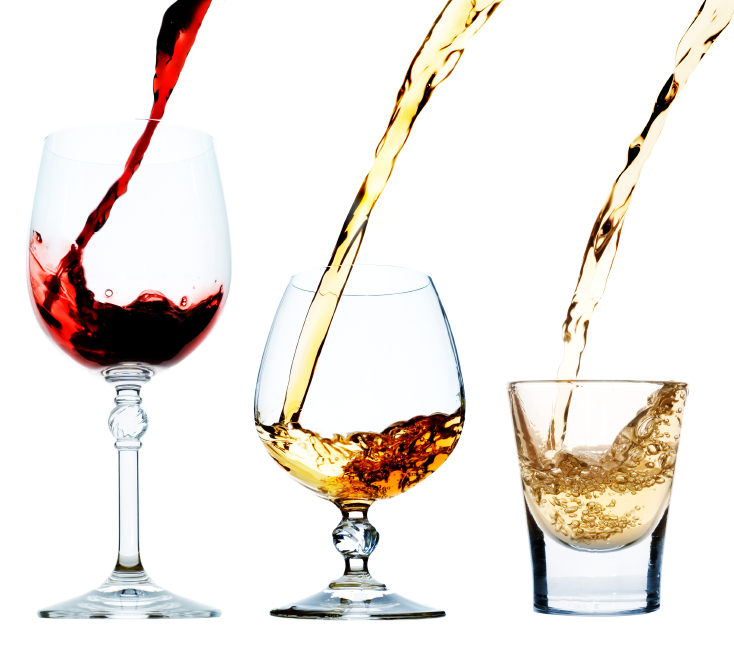
He who gets drunk should not get drunk more than a sixth.
For both readings, the reason is because
שתות in gimatriya, 1106, is:
שתות in gimatriya, 1106, is:
אתם נצבים היום כלכם לפני הוי"ה אלהיכם
but 1 more than שתות is 1107, which is:
אזנים להם ולא יאזינו אף אין־יש־רוח בפיהם
Now let us read
המשתכר אל ישתכר יותר משתות
as
המשתכר אל ישתכר יותר משטות
He who gets drunk should not get drunk more than foolishness.
That one must reach the level of shtus is made clear by Rav Hunter zt"l in one of his poems for Purim:
און נאר ווען דער מענטש קען טאן א שטות
דאן דערקענט מען זיין אמת'ן מהות
For only when a man can do a foolishness
Then can be recognized his true character
Shtus is good, because it is, in gimatriya, 715, which is:
אהבה אחוה ורעות
which can lead us to a cognition of the Hashgachah of a Nes Nistar, because 715 is also:
אחר כתלנו
but no further, not to שכרותו של לוט, as the Mahrasha (Bava Metzia 23b) tells us:
wh
בפוריא. עיין פרש"י ותוס' עוד י"ל ע"פ מ"ש פ"ק דמגילה דחייב אדם לבסומי בפוריא עד דלא ידע בין ארור המן כו' עבידי רבנן דמשנין לומר דלא ידע גם אם הוא אינו מבוסם כל כך וידע
because one more than shtus is 716, which is:
שתוי
the middah of
ושתי
which is too far gone for the phrase in another of Rav Hutner's Purim poems:
מיט שמחה און יראה
זאגען מיר לחיים
ואתה תשמע השמים!