
Rabbi Yosef Gavriel Bechhofer הרב יוסף גבריאל בקהופר

Friday, July 31, 2026


Tuesday, July 28, 2026
Rischa D'Araisa Season 13 Finale: From Micro to Macro: Forgoing and Forgiving

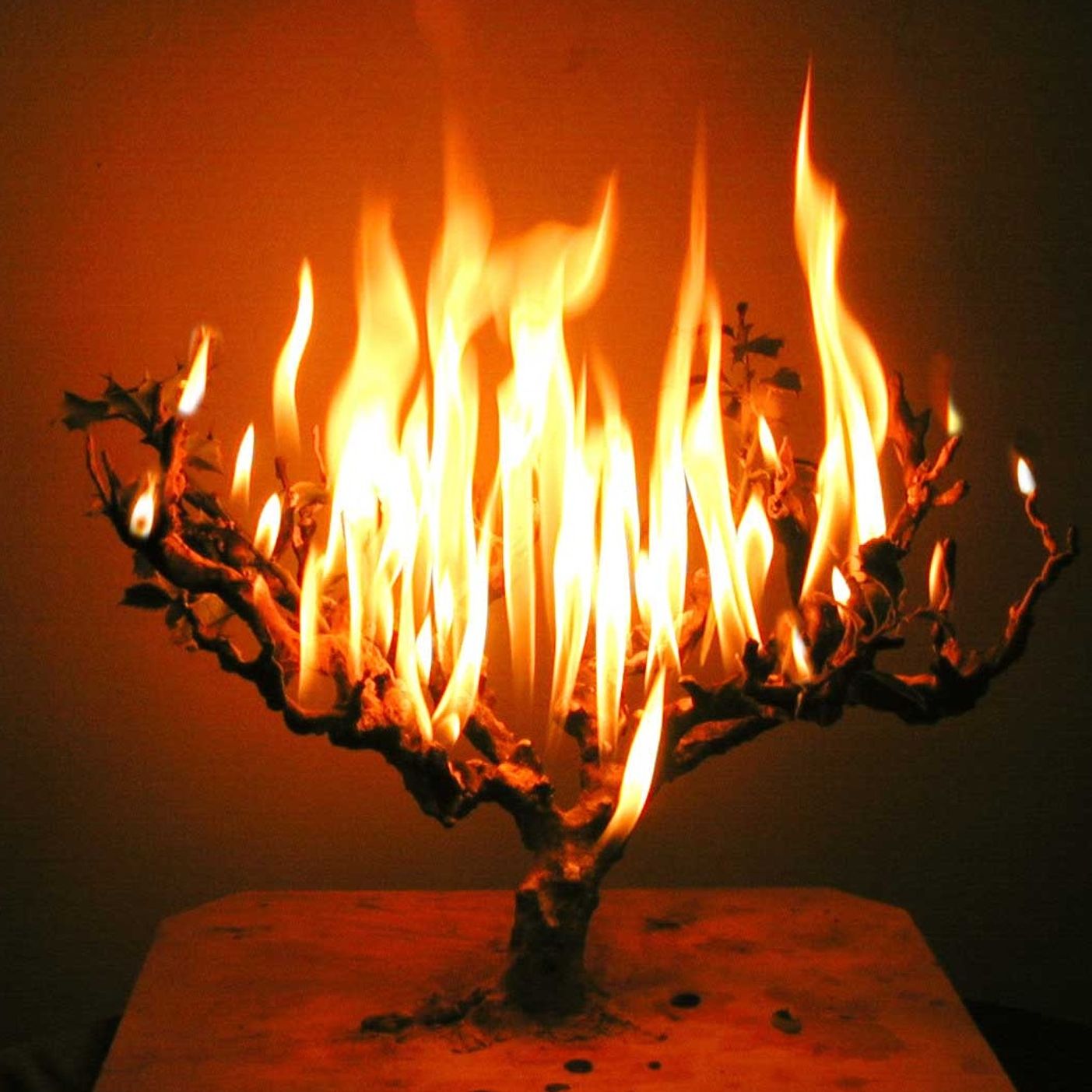

Rischa D'Araisa Season 13 Finale:
From Micro to Macro:
Forgoing and Forgiving
in our interpersonal relationships can change our whole society
Monday, July 27, 2026
The Holiday of the 15th Day of Av (Tu B'Av) - Ta'anit 20b-31a, Uganda Shiur
Uganda Shiur - July 27
VIEW RECORDING - 34 mins (No highlights)
Meeting Purpose
To explore the historical significance and customs of Tu B'Av.
Key Takeaways
- Tu B'Av (15th of Av) was historically a major holiday, second only to Yom Kippur in joy, because it marked the resolution of several national crises.
- Historical resolutions included lifting inter-tribal marriage bans, ending the wilderness generation's deaths, and securing burial for the Beitara dead.
- A central custom was a matchmaking dance, where women in borrowed white garments would dance in vineyards for men to find wives.
- Tu B'Av marks a seasonal shift, signaling the end of summer wood-cutting and the start of longer nights, prompting increased Torah study.
Topics
Historical Significance & Joy
- The Mishnah in Tractate Taanit (30B) states Tu B'Av and Yom Kippur were the two happiest days for the Jewish people.
- The Gemara provides multiple reasons for Tu B'Av's joy, each marking a resolution to a national crisis.
Reasons for Tu B'Av's Joy
- Inter-Tribal Marriage Permitted
- Tribe of Benjamin Reintegrated
- Problem: The other tribes ostracized Benjamin and swore an oath not to intermarry after a severe incident (Judges 19-21), threatening the tribe's survival.
- Resolution: Sages interpreted the oath's wording ("none of us") to apply only to the generation that swore it, not their descendants.
- Outcome: The oath was dissolved on Tu B'Av, allowing intermarriage and saving the tribe.
- Wilderness Generation's Deaths Ceased
- Problem: As punishment for the Sin of the Spies, 15,000 people died annually on Tisha B'Av for 40 years.
- Resolution: In the 40th year, no one died on Tisha B'Av. The full moon of Tu B'Av confirmed the calendar was correct, proving the decree had ended.
- Outcome: God's highest level of prophecy returned to Moses, as the nation was now worthy.
- Pilgrimage to Jerusalem Restored
- Problem: After the kingdom split, King Jeroboam blocked northern Jews from Jerusalem, forcing worship at golden calves in Bethel and Dan to prevent a return to the southern kingdom.
- Resolution: The last northern king, Hosea, removed the guards on Tu B'Av, allowing free pilgrimage to Jerusalem.
- Outcome: Though short-lived before exile, this act was celebrated as a return to unity.
- Beitara Dead Buried
- Problem: After the failed Bar Kochba revolt, Romans left hundreds of thousands of Jewish dead from the Battle of Beitara unburied for 70 years.
- Resolution: Romans finally permitted burial on Tu B'Av.
- Outcome: A blessing was added to the post-meal prayer, thanking God for the bodies not decomposing and for enabling their burial.
- End of Wood-Cutting for the Temple
- Problem: The Temple required dry, worm-free wood for the altar, which was only available in summer.
- Resolution: Wood-cutting ceased on Tu B'Av, as the sun's strength weakened and the wood would no longer dry properly.
- Outcome: A celebration, "the breaking of the axe," marked the end of the season and the trees' respite.
Tu B'Av Customs & Symbolism
Tu B'Av's Modern Significance
Sunday, July 26, 2026
Torah Im Derech Eretz: Rabbi Dr Isaac Breuer's Moriah pt 6, State vs Land & People, State Above All
Moriah by Rabbi Dr Isaac Breuer: Part 6, State vs Land & People, State Above All
Meeting Purpose
To analyze Rabbi Dr. Isaac Breuer's philosophy of nation and state.
Key Takeaways
- Nation vs. State: A nation is a historical, synthetic concept defined by shared destiny, not by common language, race, culture, or land. A state is a legal entity with a defined territory, population, and sovereign will.
- The Autonomous State: This state is a "legal personality" with an omnipotent will, independent of its citizens. It is the sole source of law within its borders and claims absolute authority, effectively becoming its own god.
- Justice as a Tool: The autonomous state uses "justice" as a rhetorical tool, especially during crises, but its true highest value is its own existence and power. It will sacrifice justice for its own "greater good."
- Am Yisrael's Uniqueness: Am Yisrael is unique because its identity is defined by the Torah, not by land. This non-Zionist view makes the land of Israel a crucial tool for its mission, but not the mission's defining essence.
Topics
Defining a Nation
- Language: Common language (e.g., US/UK) does not guarantee a single nation.
- Race: No pure race exists; racism is a tool for oppression.
- Culture: Culture is a manifestation, not the essence. The Romani people, for example, have a culture but are not a nation because they lack a "historical ambition."
- Land: Land is a manifestation of national character, but not the defining feature. A nation can survive without its land (e.g., Poland for 200 years).
- Conclusion: A nation is defined by a common historical destiny. Language, race, culture, and land are merely narratives that express this destiny.
Defining the State
Breuer distinguishes a nation from a state, a legal entity with three components:
- Land of the State (Eretz HaMedina): The defined territory.
- Nation of the State (Am HaMedina): The population living within the land.
- Will of the State (Ratzon HaMedina): A sovereign will that unifies the land and people.
The Autonomous State: A Legal Personality
The autonomous state is a "legal personality" with a will independent of its citizens.
- Omnipotent Authority: It is the sole source of law within its borders and claims absolute power.
- Self-Justifying Existence: It severs ties with the laws that created it, making its own existence the highest law.
- "Holy Self": It becomes its own god, demanding absolute loyalty and declaring, "You shall have no other gods besides me."
Justice vs. State Interest
The state uses "justice" as a rhetorical tool, especially during crises.
- Subordinate Value: Justice is not an absolute value; the state's own survival and "greater good" are paramount.
- Cover for Crimes: This ideology can be used to justify atrocities under the guise of patriotism.
Am Yisrael: A Unique Nation
Am Yisrael's definition is unique and distinct from other nations.
- Torah-Centric Identity: Its identity is defined by the Torah, not by the land of Israel.
- Land as a Tool: Eretz Yisrael is a crucial tool for the Jewish people's mission, not the mission's defining essence. This contrasts with religious Zionism, which elevates the land to the central goal.
- "Glorifying Golus": This perspective gives a positive spin to exile, as the nation's identity remains intact through the Torah.
Thursday, July 23, 2026
The Ramban's Summary of the Book of Iyov (Job) in two parts
Meeting Purpose
Analyze the Book of Job's theological debate on suffering.
Key Takeaways
- The Core Problem: The Book of Job challenges the mida k'neged mida (measure-for-measure) principle by depicting the righteous suffering and the wicked prospering, which appears to be random injustice.
- Ramban's Solution: Suffering without sin can be explained by sod ha'ibur (a soul-spark from a prior generation) or gilgul (reincarnation), which allows for atonement for past deeds.
- Job's Evolving Complaints: Job's arguments shift from blaming astrology to accusing God of random injustice, then questioning why an omniscient God needs to test him or prove power.
- Friends' Flawed Responses: The friends offer inadequate answers, either by denying Job's righteousness (Bildad) or by asserting God's hidden wisdom (Zophar) without providing a satisfying explanation for the suffering.
Topics
The Problem: Suffering of the Righteous
- The Book of Job challenges the mida k'neged mida principle, showing that reward and punishment are not always proportional to actions.
- Examples:
- Ramban's Resolution: Suffering without sin is a divine secret (sod ha'ibur or gilgul).
Job's Evolving Complaints
- Job's arguments against his suffering evolve through three stages:
- 1. Astrology: Initially, Job blames his suffering on bad astrological fortune from his birth, cursing his existence.
- 2. Random Injustice: After Eliphaz refutes astrology, Job's complaint shifts to God's deliberate, yet seemingly random, injustice.
- 3. Unnecessary Testing: Job questions why God needs to test him.
The Friends' Flawed Responses
- The friends' arguments are ultimately rejected by God as inadequate.
- Eliphaz: Rejects astrology, stating suffering is a divine rebuke (musar) for a hidden sin, meant for the sufferer's benefit.
- Bildad: Directly accuses Job's children of sin, implying Job's own suffering is a just punishment.
- Zophar: Asserts God's hidden wisdom and duality (revealed vs. concealed).
Meeting Purpose
Key Takeaways
- Elihu's Cryptic Answer: Elihu offers a "new response" that silences Job. The Ramban states its true meaning is a secret of Kabbalah (likely gilgul—reincarnation) and cannot be written, but the answer is sufficient for Job.
- God's Rebuke & Job's Repentance: God's rebuke highlights human ignorance of the natural world, implying divine justice is similarly hidden but present. This prompts Job's repentance for questioning God's justice.
- The Friends' Error: Job's three friends are punished for falsely claiming suffering proves wickedness. This inadvertently creates an opening for Job's heresy by suggesting he was punished without judgment.
- The Value of the Question: The Ramban justifies the book's frustrating lack of a full answer, calling it a "claim of fools" to reject the process. Asking the question itself is a valuable act of wisdom that strengthens faith.
Topics
Elihu's Intervention & Cryptic Answer
- Elihu, a new character, rebukes both Job for self-justification and the friends for their flawed logic.
- Elihu's answer is a "new response" that silences Job, who does not reply.
- The Ramban states Elihu's true meaning is a secret of Kabbalah that cannot be written down.
God's Rebuke & Job's Repentance
- God's direct rebuke to Job highlights human ignorance of the natural world's wonders.
- Implied Message: Just as the natural world has hidden order, divine judgment has a hidden, just rationale.
- This prompts Job's repentance (teshuva) for questioning God's justice.
The Friends' Error & Punishment
- God punishes the three friends for their false claim that suffering proves wickedness.
- Rationale: Their logic inadvertently created an opening for Job's heresy by suggesting he was punished without judgment.
- Elihu's Exemption: Elihu is not punished because his intentions were sincere, even if his understanding was incomplete.
The Value of the Question
- The Ramban justifies the book's frustrating lack of a full, explicit answer.
- Rationale: Rejecting the process of asking the question is a "claim of fools."
- Benefit: The act of asking the question itself is a valuable act of wisdom that strengthens faith.
- Analogy: A 75% answer validates the existence of a full answer, even if the remaining 25% is hidden.
- Conclusion: The book teaches us to trust in God's hidden justice, even when it is not fully understood.
Subscribe to:
Posts (Atom)